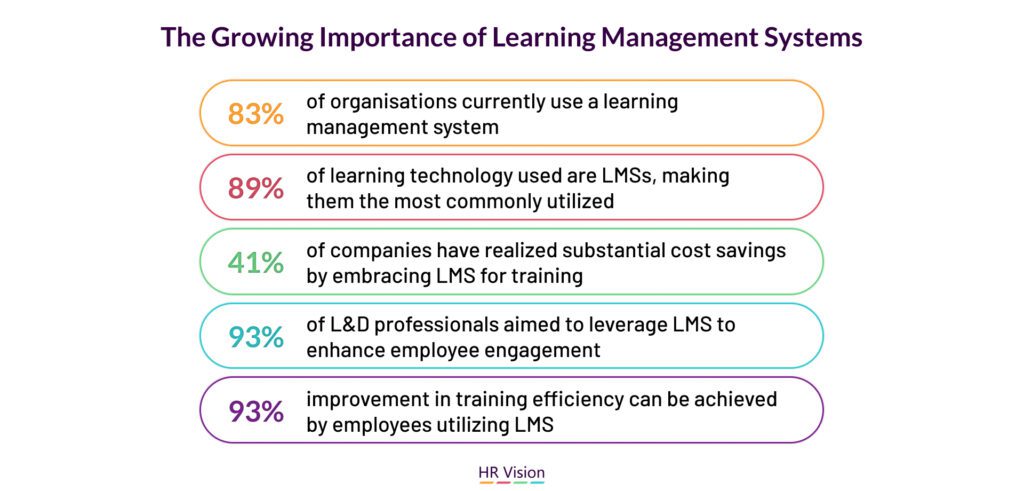
E-learning has emerged as the quickest-growing segment in the education sector, boasting an impressive 900% growth rate since the turn of the millennium. This remarkable surge reflects a broader shift towards digital transformation within workplaces, where the demand for flexible, scalable, and effective learning solutions is ever-increasing.
At the heart of this transformation is the Learning Management System (LMS), a powerful digital platform designed to streamline and enhance the delivery of training and educational content. An LMS provides a centralized hub for managing, tracking, and delivering educational programs and resources, enabling organizations to train employees more efficiently and effectively.
What is a Learning Management System (LMS)?
A Learning Management System (LMS) is a comprehensive software application designed to facilitate the management, delivery, and tracking of educational content and training programs. It acts as a centralized digital platform that streamlines the entire learning process, from course creation to learner evaluation.
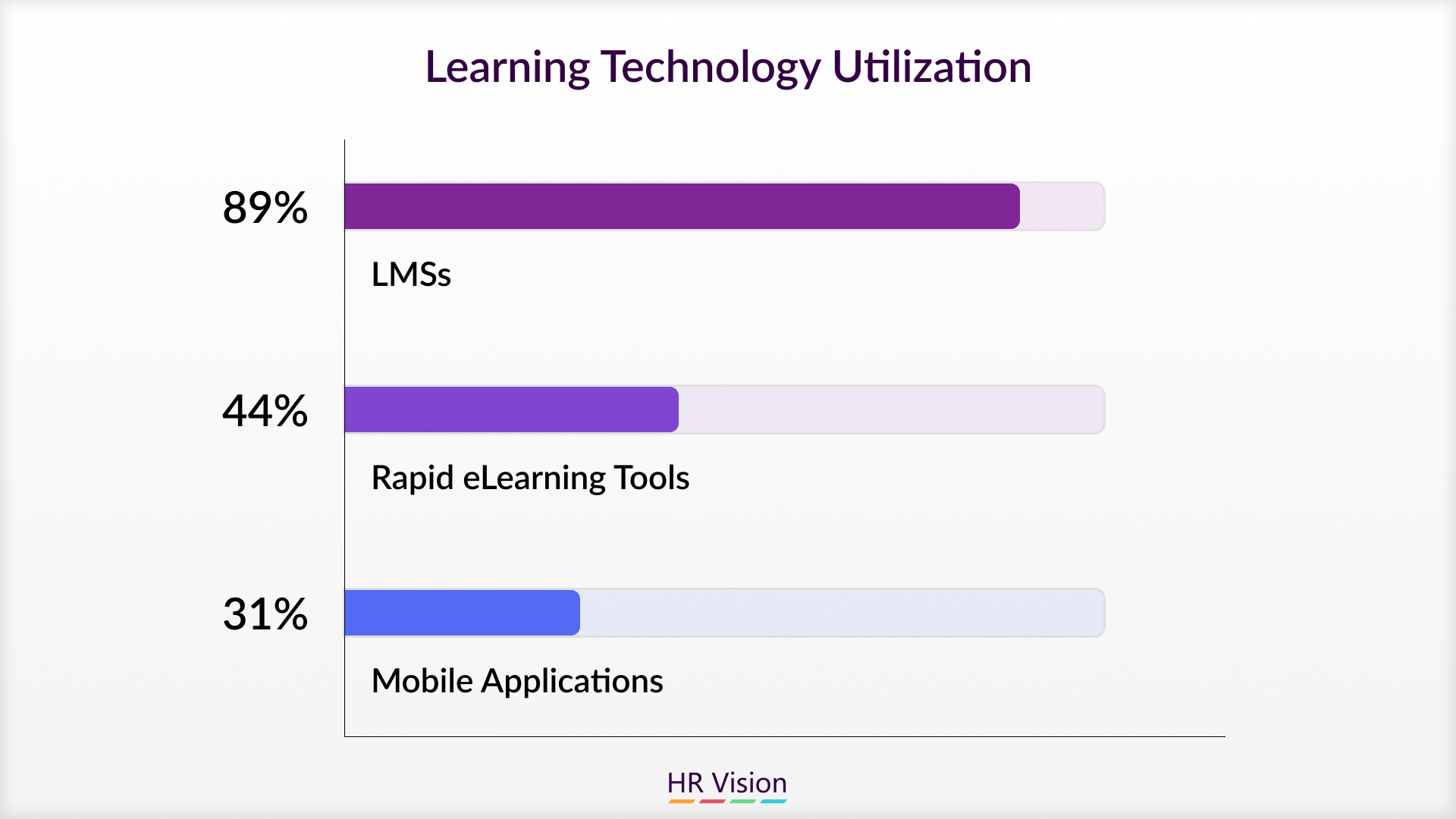
Key features and functionalities of an LMS include:
- • Course creation and management: Authoring and organizing training content, including text, images, videos, and interactive elements.
- • Content delivery: Distributing courses to learners through various methods, such as online portals, mobile apps, and email.
- • Learner tracking and reporting: Monitoring learner progress, generating reports on course completion rates, and tracking performance metrics.
- • Assessment and evaluation: Creating quizzes, exams, and other assessments to measure learner understanding and provide feedback.
- • Communication and collaboration: Facilitating communication between learners and instructors through forums, chat rooms, and messaging features.
Evolution of Learning Management Systems
The concept of Learning Management Systems (LMS) traces back to the early days of online education. In the mid-1990s, when the internet was still in its infancy, only about 4% of organizations used online learning as part of their training programs. Early LMS platforms were primarily designed to manage and deliver basic online courses, primarily focusing on content delivery and simple tracking of learner progress. These early systems were often limited in scope and functionality, with most organizations relying on traditional, face-to-face training methods.
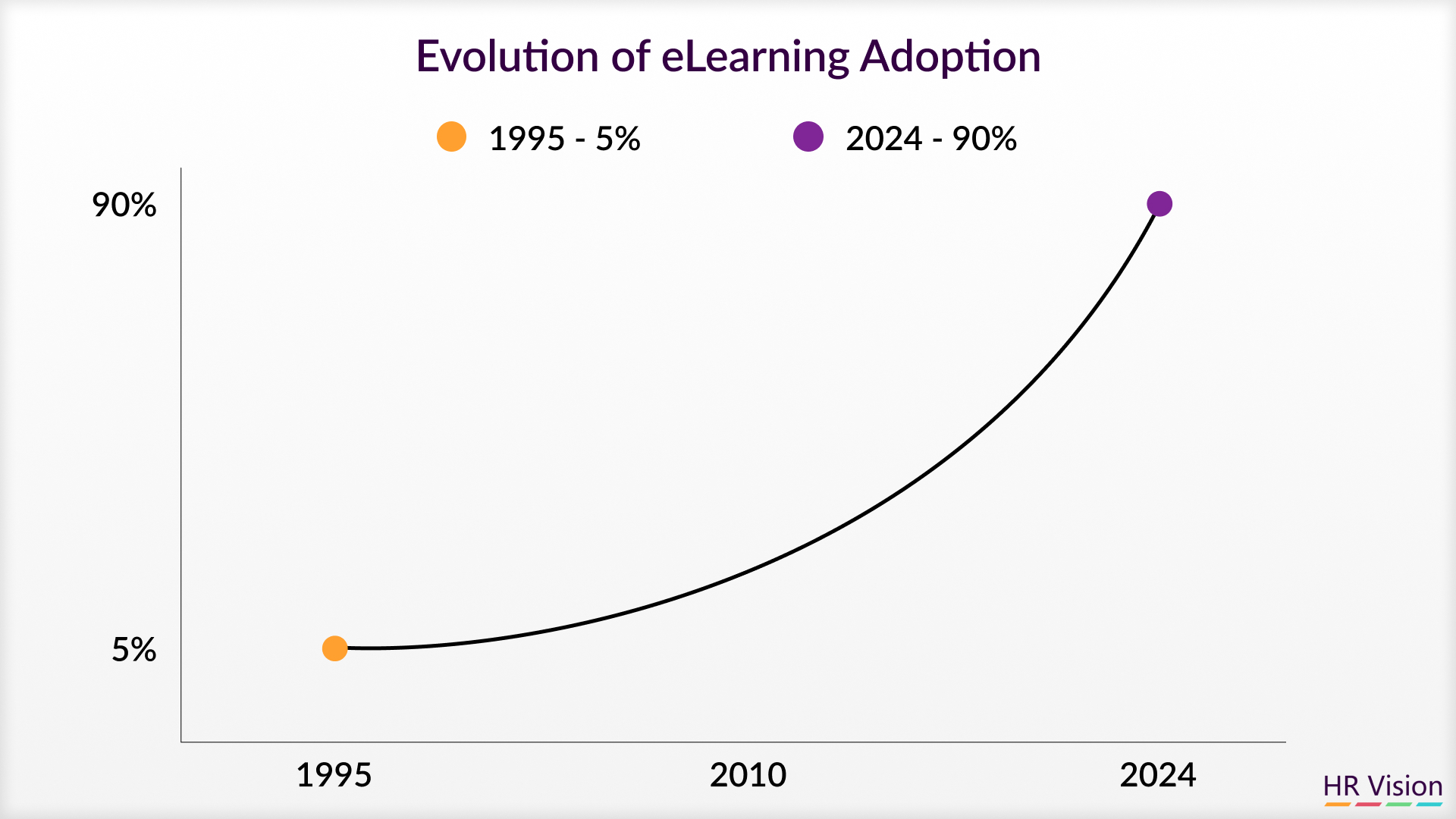
Over time, as technology evolved and the internet became more widespread, the use of LMSs began to grow. The turn of the millennium marked a significant shift, with LMSs gaining traction due to their ability to offer a more structured and scalable approach to learning. By the early 2000s, as businesses and educational institutions recognized the benefits of online learning, LMSs began to play a crucial role in transforming training and development practices.
Key Benefits of LMS for Organizations
1. Streamlined Training Processes
A Learning Management System (LMS) significantly simplifies and organizes training processes within an organization. Traditionally, managing employee training involved a complex array of logistical tasks including scheduling, material distribution, and tracking attendance. An LMS centralizes these functions, allowing training programs to be administered more efficiently.
With an LMS, training content can be easily created, updated, and deployed, ensuring consistency and accessibility across the organization. This streamlined approach not only reduces administrative overhead but also ensures that employees receive uniform training experiences regardless of their location.
2. Cost-Effectiveness
Implementing an LMS can lead to substantial cost savings for organizations. Traditional classroom-based training often incurs significant expenses, including travel, venue rentals, and material production. In contrast, e-learning through an LMS minimizes these costs by reducing the need for physical resources and enabling training to be delivered online.
Furthermore, e-learning has been shown to reduce learning time by approximately 40% to 60% compared to traditional methods. This efficiency translates into lower training costs and faster onboarding of new employees. With enhanced information retention rates—ranging from 25% to 60%—organizations also benefit from more effective training, maximizing the return on their investment.
3. Enhanced Employee Engagement
An LMS can significantly boost employee engagement through its interactive and flexible learning features. Allowing employees to learn at their preferred pace and on their own schedule contributes to increased engagement and motivation. Studies have shown that when employees have the freedom to learn at their own pace, their performance can improve by 15% to 25%.
Additionally, modern LMS platforms incorporate elements such as gamification, which includes leaderboards, badges, and interactive content, making learning more engaging and enjoyable. These features encourage employees to actively participate in their development, fostering a more motivated and committed workforce.
4. Data-Driven Insights
The analytics and reporting capabilities of an LMS provide valuable data-driven insights into the effectiveness of training programs. Organizations can track a variety of metrics, including course completion rates, learner progress, and assessment scores. This data allows for the identification of trends, gaps, and areas for improvement.
According to a survey by the American Society for Training and Development, companies that implement comprehensive training programs, often facilitated through an LMS, have reported impressive business outcomes. These include a 218% higher revenue and a 24% increase in profit margins. Such statistics underscore the substantial impact that effective training—and the insights provided by an LMS—can have on overall business performance
Impact on Employee Development and Retention
- Skill Development
Learning Management Systems play a pivotal role in fostering skill development by providing employees with access to a broad array of training resources and courses. With an LMS, organizations can offer employees a diverse selection of learning materials ranging from technical skills and compliance training to leadership development and personal growth. This extensive resource library allows employees to pursue knowledge relevant to their roles and career aspirations.
Moreover, LMSs support continuous learning and professional growth by enabling employees to engage in ongoing training beyond their initial onboarding. The flexibility of online learning means that employees can continually update their skills and knowledge in alignment with industry trends and personal career goals. This ongoing development is crucial in a rapidly evolving job market where new technologies and methodologies frequently emerge.
- Career Progression
LMSs also significantly impact career progression by facilitating effective career pathing and succession planning. Through features such as skill assessments and development tracking, LMSs help identify employees’ strengths, areas for improvement, and career interests. This information can be used to create tailored development plans that align with both organizational needs and individual career goals.
By providing clear pathways for career advancement, LMSs enable employees to visualize their potential career trajectories within the organization. This clarity encourages employees to actively engage in their development, knowing that their efforts will be recognized and rewarded with opportunities for promotion or lateral moves into new roles. Effective succession planning supported by LMSs also ensures that organizations have a pipeline of qualified candidates ready to step into key positions as they become available.
- Employee Satisfaction
The role of LMSs in enhancing employee satisfaction is significant. By offering a range of learning opportunities and allowing employees to take control of their own development, LMSs contribute to a more positive workplace culture. Employees who have access to training resources that align with their interests and career goals are more likely to feel valued and supported by their organization.
Additionally, the ability to pursue personal and professional growth through an LMS fosters a sense of accomplishment and engagement. Employees who perceive that their employer is invested in their development are more likely to experience higher job satisfaction and loyalty. This positive sentiment can translate into increased retention rates, as employees are less likely to seek new opportunities elsewhere when they feel their current employer is providing meaningful development opportunities.
Choosing the Right LMS
Selecting the appropriate Learning Management System is an important first step for organizations aiming to maximize their training and development efforts. Several factors must be considered to ensure that the chosen LMS meets the organization’s needs effectively.
Scalability is a key consideration. The LMS should be capable of growing alongside the organization, accommodating an increasing number of users and expanding functionality as required. User-friendliness is also crucial; a system that is intuitive and easy to navigate will encourage greater adoption among employees and reduce the need for extensive training. Integration capabilities are another important factor. The LMS should seamlessly integrate with existing systems such as Human Resource Management Systems (HRMS) and Customer Relationship Management (CRM) tools to streamline operations and data flow.
Among the prominent players in the LMS market, Canvas and Blackboard are notable leaders, with each controlling 30% of the US higher education LMS market. These platforms exemplify the types of solutions organizations might consider based on their needs and the market’s offerings.
Implementation Barriers
Implementing a Learning Management System (LMS) can be fraught with challenges, and addressing these barriers effectively is crucial for a successful deployment.
Technical difficulties often pose significant challenges during the implementation of an LMS. According to recent data, 52% of users report dissatisfaction with learning technologies due to their inability to integrate with other digital platforms. This lack of integration can lead to fragmented systems and inefficient workflows. Addressing technical issues typically involves ensuring compatibility between the LMS and existing systems, and working closely with IT professionals to troubleshoot and resolve any integration problems. Additionally, 24% of users express dissatisfaction with LMS programs that lack mobile capabilities, highlighting the importance of selecting a system that supports access across various devices to meet user expectations.
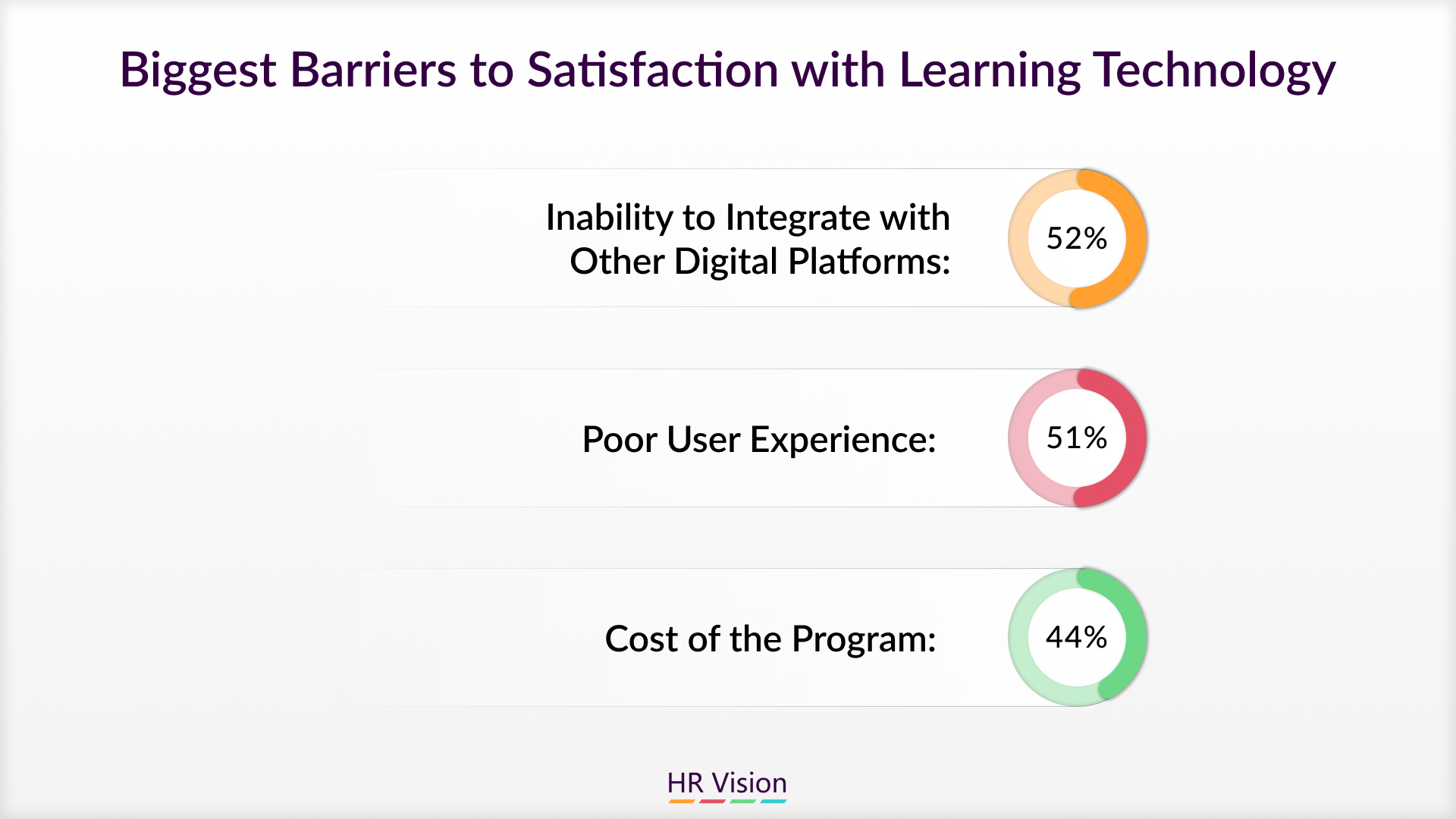
The cost of an LMS is another major barrier, with 44% of users citing expense as a significant concern. The initial investment required for purchasing and implementing an LMS can be substantial, and ongoing costs for maintenance, support, and updates can add up over time. However, the financial impact of an LMS can be mitigated by the increasing availability of affordable programs and solutions. For example, prospective social workers might explore online Master of Social Work (MSW) programs that offer a good return on investment. By evaluating different options and selecting a cost-effective solution that meets organizational needs, businesses can manage expenses more effectively.
Conclusion
The evolution of LMS technology—from its early days of basic online course management to the sophisticated, cloud-based, and mobile-compatible platforms of today—reflects the growing importance of digital learning solutions in meeting the needs of modern workplaces.
Despite their numerous advantages, implementing an LMS can come with challenges. Technical issues and costs are common barriers that organizations may face. However, understanding these challenges and addressing them proactively—through effective change management, technical integration, and financial planning—can pave the way for a successful LMS deployment.
As the eLearning market continues to grow, the role of LMSs will only become more central to organizational success. Investing in the right LMS and leveraging its capabilities effectively will position organizations to thrive in an increasingly digital and competitive environment.
Ready to stay ahead in the ever-changing world of HR? Join us at HR Vision, where top HR leaders gather to explore the future of work, HR trends, and the power of HR analytics and technology.